
Roof Care
Roof Repair Company in Fort Lauderdale: Wind & Salt Damage
Learn to spot hidden wind and salt air roof damage in Fort Lauderdale before it leaks. Get expert tips and request a free estimate from PSR Roofing.
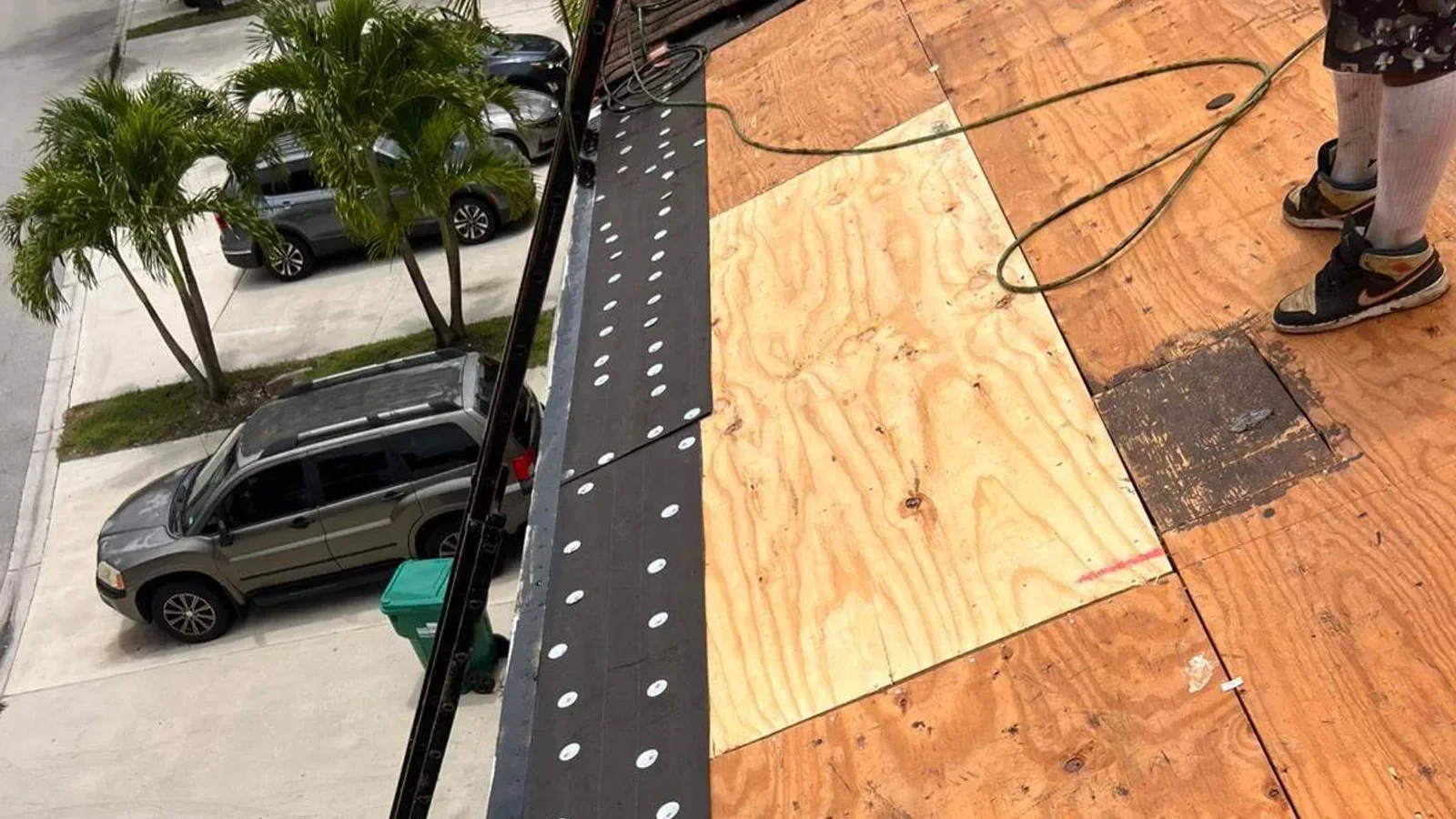
Your roof can look perfect from the driveway and still be failing underneath. In Fort Lauderdale, constant ocean wind and salt-heavy air work on tile, shingles, and metal flashing every single day. Most of that wear stays invisible until water shows up on a ceiling. This guide shows you where hidden damage hides, what it looks like, and when it's time to call a roof repair company before a small problem spreads.
Most roof damage here isn't from the big storm
Hurricanes get the headlines. The slow stuff does more harm. A named storm tears off tiles you can see from the street, and you call someone the next morning. The quiet daily exposure is different. Nobody calls about it, because nobody notices it.
Wind works in small, repeated pushes
Ordinary afternoon gusts lift the edges of shingles and rock loose tiles a fraction of an inch at a time. Over months, that movement breaks the adhesive seal on shingles and cracks the mortar or foam holding tiles in place. The roof still looks intact. It just isn't attached the way it used to be.
Salt air attacks the metal parts first
Your roof covering gets the attention, but the metal is often the weak point. Flashing, drip edge, vent boots, fasteners, and valley metal all corrode faster near the coast. Salt carried on the breeze settles into these components, holds moisture, and speeds up rust. Once flashing corrodes through, water has a direct path under the roofing.
Heat and sun make both problems worse
South Florida sun dries out shingle asphalt and breaks down sealants around penetrations. Brittle materials don't flex with wind. They crack instead. Put heat, wind, and salt together and you get damage that builds steadily, year-round.
Where hidden damage shows up on tile roofs
Tile is everywhere in Broward County, and for good reason. Concrete and clay tiles hold up well to sun. But tile roofs have a catch most homeowners don't know about.
The tile isn't the waterproofing
On a tile roof, the underlayment beneath the tiles does most of the work keeping water out. The tiles shed the bulk of the rain and shield that layer from sun. When a tile cracks or slips, the underlayment gets exposed to UV and direct water. It can deteriorate long before you see a drip inside. That's why a tile roof leak repair often involves more than swapping one broken piece.
Signs to look for from the ground
You don't need to climb up to spot trouble. Grab binoculars and check for these:
- Tiles that sit crooked or out of line with their neighbors
- Cracked, chipped, or missing tiles, especially along ridges and edges
- Gaps at ridge and hip lines where mortar has crumbled
- Tile fragments in gutters or on the ground after windy days
- Rust stains running down from valleys or around vents
Why walking on tile is a bad idea
Tiles break under foot traffic when you don't know where to step. A well-meaning homeowner can crack several tiles checking for one. Leave the up-close work to a trained crew who knows how to distribute weight and where the battens sit.
Shingle and metal roofs: different materials, different warning signs
Not every Fort Lauderdale home has tile. Shingle and metal roofs face the same coastal conditions but fail in their own ways.
What wind does to asphalt shingles
Look for shingles that appear lifted, creased, or curled at the edges. A horizontal crease across a shingle usually means wind folded it back and broke the seal. Granules collecting in your gutters point to aging shingles losing their protective surface. Bare spots, where the dark mat shows through, need attention soon.
What salt does to metal roofs
Metal roofs handle wind well when installed correctly. The risks are at the edges. Watch for rust around exposed fasteners, at panel seams, and where cut edges were left unsealed. Fasteners can back out over time as panels expand and contract in the heat. A loose screw is a small fix. A rusted-out panel is not.
Quick comparison of common roof types
Here's how the main roof types in our area tend to show hidden coastal damage, and what a repair visit usually focuses on.
| Roof type | Common hidden wind damage | Common salt air damage | What repair typically targets |
|---|---|---|---|
| Concrete or clay tile | Slipped or loosened tiles, cracked ridge mortar | Corroded valley metal and flashing | Resetting tiles, underlayment at the leak area, flashing |
| Asphalt shingle | Broken seals, creased or missing shingles | Rusted drip edge and vent flashing | Replacing shingles, resealing, new flashing |
| Metal | Backed-out fasteners, loose trim | Rust at seams, fasteners, cut edges | Fastener replacement, sealing seams, panel repair |
Inside the house: clues you can check today
Some of the best evidence of roof trouble is under the roof, not on it. You can check most of these in an afternoon without a ladder.
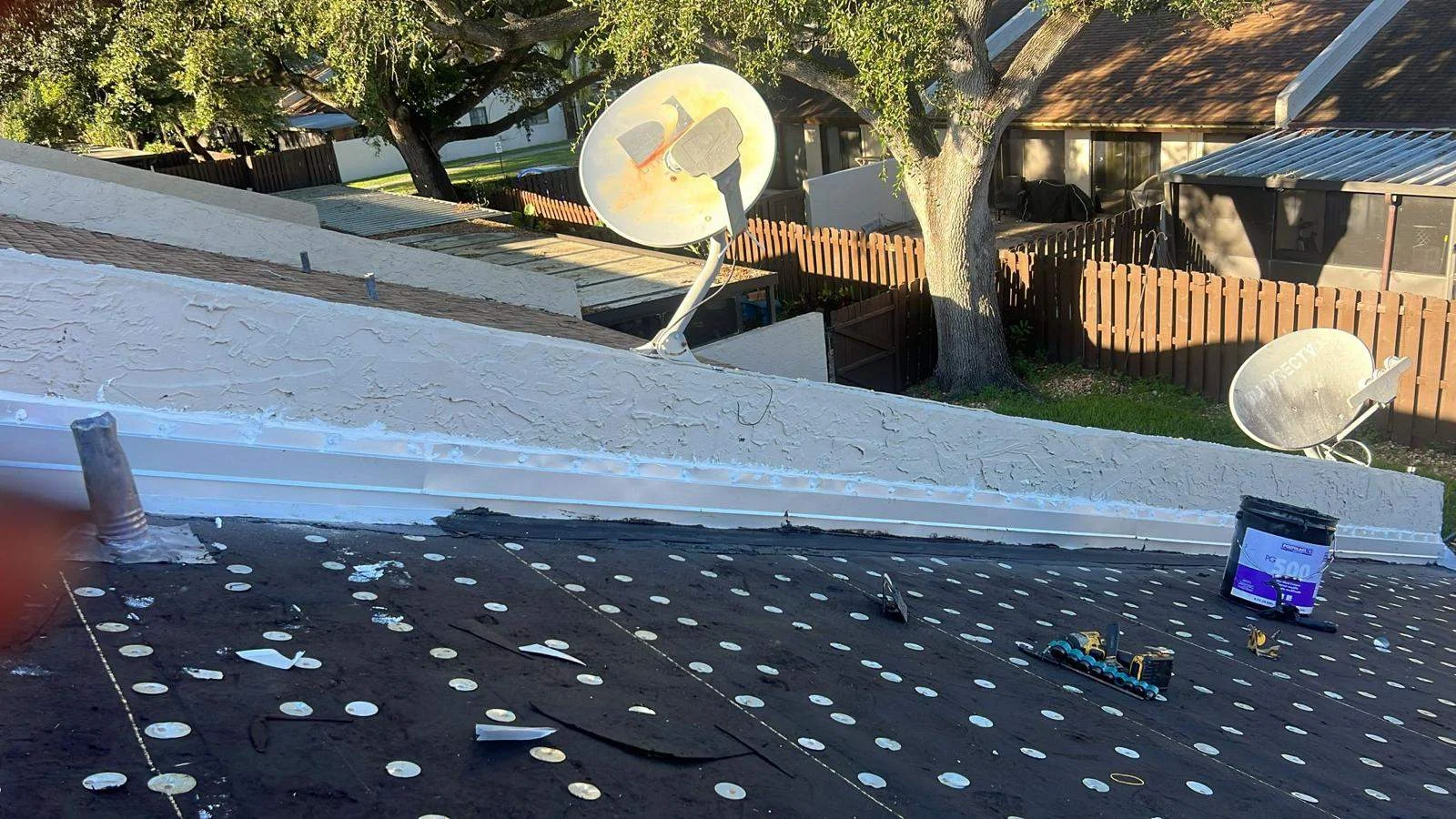
Ceilings and walls
Look for faint yellow or brown rings on ceilings, especially near exterior walls and around light fixtures. Bubbling paint or soft drywall means water has been sitting there. Stains that grow after heavy rain are a strong signal. Small stains are worth taking seriously.
The attic, if you can safely reach it
If your attic has a stable floor and safe access, look with a flashlight on a sunny day. Daylight coming through the roof deck is a problem. So are dark streaks on wood, damp insulation, and rusty nail tips. If access is tight or there's no flooring, skip it and let a professional inspect.
Smells and humidity
A musty smell in an upstairs room or closet can point to slow moisture getting in. In our humid climate, that's easy to blame on the weather. Pay attention if it stays in one spot.
What a good roof repair company actually checks
A quick look from the ladder isn't an inspection. A thorough visit should cover the whole system, because a leak inside often starts several feet away from where it appears.
A clear inspection process
At PSR Roofing Company of Fort Lauderdale, we use drone-assisted inspections to see the full roof surface, including areas that are hard to reach safely. Our crew then checks the details by hand. A typical visit works through this order:
- Interior check of any stains, ceilings, and attic where accessible
- Drone overview of the full roof surface, ridges, and valleys
- Close inspection of flashing, vents, skylights, and other penetrations
- Tile, shingle, or panel condition, plus fastener and seal checks
- Gutters and drainage, since overflow can push water under edges
- A written summary of findings, with photos
Reports you can use for insurance
After a storm, documentation matters. Our inspections come with insurance-ready reports, so you have photos and notes describing what we found. We can't predict how a claim will be decided, but clear records help you have that conversation with your insurer. You can read more in our coastal roof inspection and insurance guide.
Repair that matches the actual problem
Good repair work fixes the cause, not just the symptom. Sealing over a stain without replacing corroded flashing just delays the next leak. We explain what we found and why each part of the repair matters. When a roof is past repairing, we'll tell you that too, and walk you through replacement options with hurricane-rated materials.
Storm damage and emergencies: what to do first
Storm damage roof repair has its own urgency. Water moves fast once a roof opens up. Here's how to think about the first hours.
Stay safe and stay off the roof
Never climb onto a wet or storm-damaged roof. Footing is unpredictable, and damaged decking may not hold weight. Watch for downed power lines near the house. If water is coming through near light fixtures or outlets, keep clear and call a licensed electrician.
Limit interior damage
You can safely move furniture and electronics away from leaks, set buckets under drips, and lay towels down. Take photos of everything, inside and out, before cleanup. Those images help later.
Call for emergency help
Our 24/7 emergency roof repair and tarping is available any time, including nights and weekends. Emergency roof leak detection often comes first, tracing where water is entering so the tarp or temporary fix goes in the right place. Then we schedule the permanent repair. Requirements for permits on larger repairs vary by area, so we'll help you understand what applies to your home.
Getting ahead of the next season
Waiting for a leak is the expensive way to maintain a roof. Here's a smarter rhythm for coastal homes.
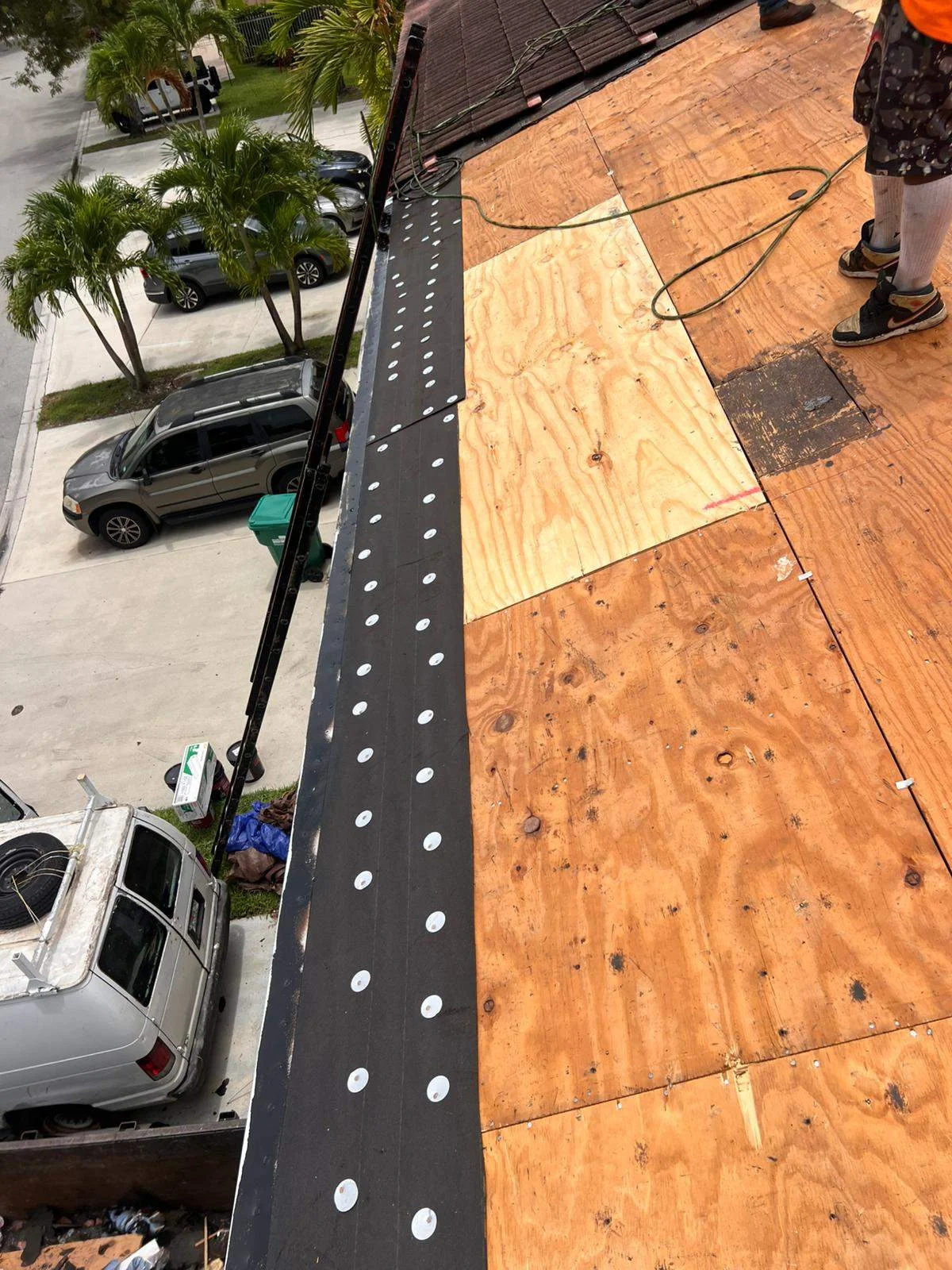
Inspect on a schedule
Many Fort Lauderdale homeowners schedule a roof check before hurricane season starts and again after any major storm passes. That timing catches loose tiles and failing flashing while they're still small repairs. If your home sits close to the water, salt exposure is heavier, so regular checks matter even more.
Handle the easy maintenance yourself
A few safe tasks help a lot. Keep gutters clear from the ground with an extension tool, or have them cleaned. Trim branches that hang over the roof so they can't scrape tiles or drop debris. After windy days, walk the yard and look for roof fragments. These steps take minutes.
Fix drainage problems early
Overflowing or sagging gutters send water where it shouldn't go, including under the roof edge and into fascia. If your gutters are rusted or pulling away, PSR Roofing also installs seamless aluminum and copper gutters built for our climate.
Frequently asked questions
How often should a Fort Lauderdale roof be inspected?
A good habit is once a year, ideally before hurricane season, plus after any significant storm. Homes near the ocean may benefit from more frequent checks because of heavier salt exposure.
Can a tile roof leak even if no tiles look broken?
Yes. The underlayment beneath the tiles can wear out, and flashing can corrode, while the tiles look fine from the ground. That's why a proper inspection looks below the surface.
Do you offer same-day roof repair?
Yes. PSR Roofing offers same-day service for roof repair in Fort Lauderdale, depending on scheduling, and 24/7 emergency service for active leaks and storm damage.
Will an inspection report help with my insurance claim?
Our insurance-ready reports document damage with photos and notes. We can't promise a claim outcome, but organized documentation gives you clear information to share with your insurer.
Is repair or replacement the better option?
It depends on the roof's age, the extent of damage, and the condition of the underlayment and decking. We'll show you what we find and explain both paths honestly. Financing is available for replacements.
Do you charge for estimates?
No. We offer free estimates, so you can understand the work before deciding anything.