
Guides
Roofing Contractor Fort Lauderdale: Hiring Checklist
Hiring a roofing contractor in Fort Lauderdale? Use this checklist for licenses, HVHZ code, Broward permits and hurricane-rated materials.
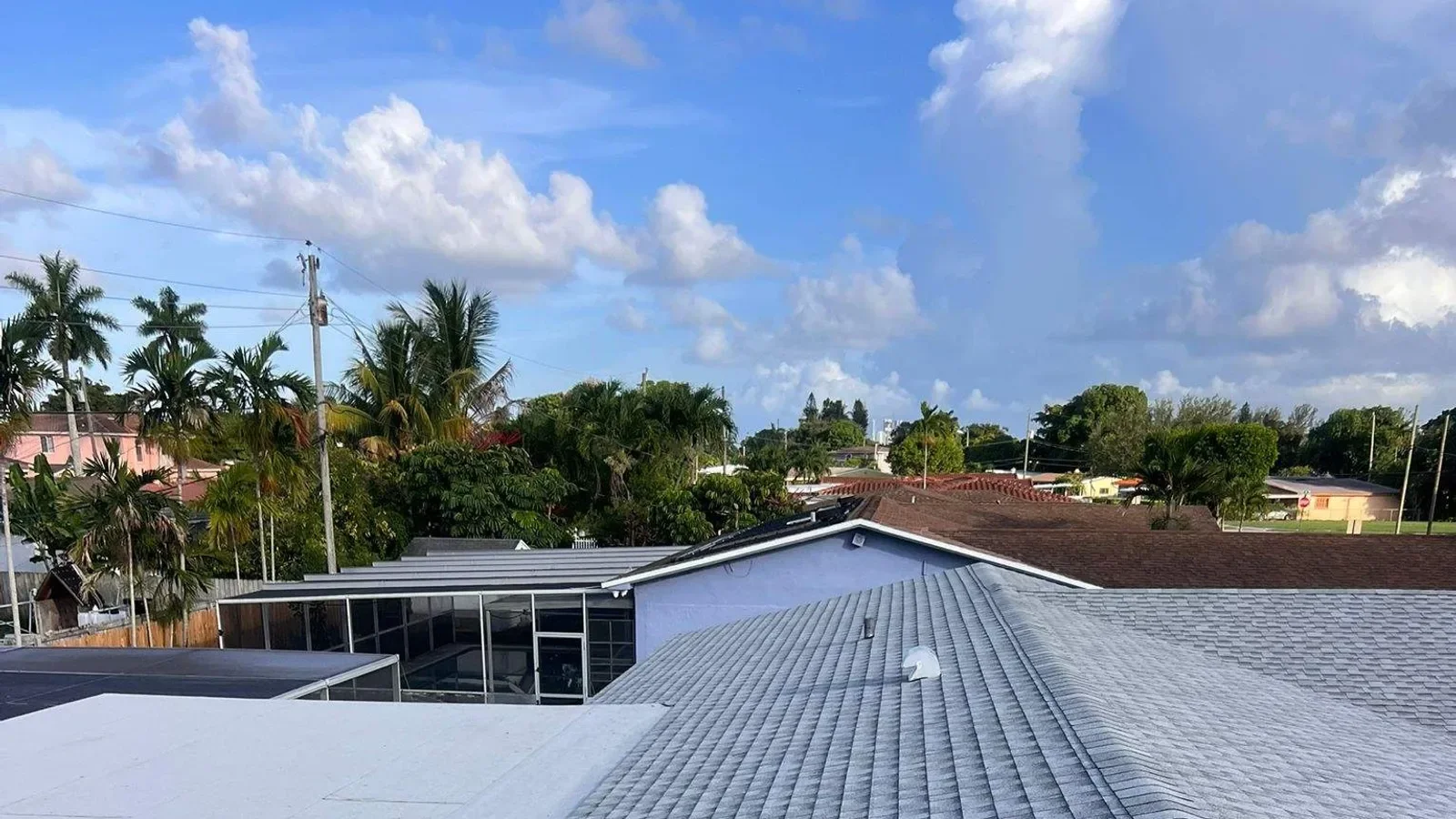
How to Hire a Roofing Contractor in Fort Lauderdale (Without Regretting It Later)
Picking a roofing contractor in Fort Lauderdale isn't like hiring a painter. Your roof sits in one of the most demanding wind zones in the country, and Broward County permitting has real teeth. A bad hire can leave you with a failed inspection or a roof that won't hold up in storm season. This guide covers how to verify a roofer, what local code expects, and the questions worth asking before you sign.
Why Fort Lauderdale roofing is its own animal
A roofer who does great work in Orlando may still be out of their depth here. That isn't a knock on anyone. Broward County simply plays by stricter rules than most of Florida.
You're in the High-Velocity Hurricane Zone
The Florida Building Code designates Broward and Miami-Dade counties as the High-Velocity Hurricane Zone, usually shortened to HVHZ. Roofs here face tougher requirements for uplift resistance, fastening, underlayment and product approval than roofs in much of the state. In practice, that shapes nearly every decision on a reroof: which tile or metal panel can be used, how it's attached, and how the edges and penetrations are detailed.
Your contractor should talk about HVHZ without being prompted. If they don't bring it up, ask.
Salt, sun and water all at once
Fort Lauderdale homes deal with salt air near the coast, intense UV exposure most of the year, and heavy afternoon downpours in summer. Fasteners corrode, underlayment ages faster under hot tile, and flashing around chimneys and vents gets tested constantly. A local roofer plans for this with corrosion-resistant fasteners and careful flashing work, not just a fresh surface layer.
The roof is only as good as what you can't see
Homeowners judge a roof by the tile, shingle or metal on top. Inspectors and storms judge it by what's underneath. Deck attachment, underlayment, drip edge and the nailing pattern decide how a roof behaves in high wind. That's why the hiring process matters so much here. You're paying for the hidden layers.
Verify the license before anything else
Most hiring guides start with reviews. Start with the license instead. Reviews tell you whether people liked the crew. A license tells you whether the state lets them do the job at all.
Know which license you're looking for
In Florida, roofing work is typically performed under a state-certified roofing contractor license (these begin with "CCC") or under a general or building contractor license that covers the scope. A licensed roofer in Fort Lauderdale should hand you their license number without hesitation. It should also appear on the written estimate and contract.
Check it yourself, online
The Florida Department of Business and Professional Regulation (DBPR) runs a public license search. Type in the number or business name and confirm three things:
- The license is current and active, not expired, delinquent or suspended.
- The name on the license matches the company quoting your job.
- There's no unresolved disciplinary history you'd want explained.
This takes about five minutes. It's the single most useful step on this list.
Insurance is a separate check
A license doesn't prove current insurance. Ask for certificates of general liability and workers' compensation (or a valid exemption, where applicable) sent directly from the insurance agent. Call the agent to confirm the policy is active for your job dates. If a worker gets hurt on your roof and the contractor's coverage has lapsed, that problem can land closer to you than you'd like.
Broward permits: what a good contractor handles for you
Here's the uncomfortable truth. If a roofer suggests skipping the permit to "save time," you've learned everything you need to know. Walk away.
Who pulls the roof replacement permit in Broward County
For a full reroof or roof replacement, the licensed contractor normally applies for the permit with the correct building department. Inside city limits, that's usually the City of Fort Lauderdale's building services. Other municipalities and unincorporated areas have their own offices. Requirements, forms and fees vary by jurisdiction, so confirm the specifics with your local building department or your contractor. Rules also change. Don't rely on what a neighbor did five years ago.
Notice of Commencement and the paperwork trail
Florida uses a document called a Notice of Commencement for many improvement projects, recorded with the county. It's tied to the state's construction lien laws. Whether you need one, and when, depends on your project. Ask your contractor to walk you through it, and consider talking with a real estate attorney if you have questions about lien protections. A contractor who explains this clearly is usually a contractor who runs a tidy job.
Inspections happen in stages
A permitted reroof typically includes inspections at several points rather than one sign-off at the end. Common checkpoints include the deck or sheathing, the underlayment (often called the "dry-in"), and a final inspection. Your contractor should schedule these and keep you informed. Ask how they handle it if an inspector flags something. A clear answer beats a confident shrug.
Hurricane-rated roofing materials, explained plainly
"Hurricane-rated" gets thrown around loosely. In Broward, it should mean something specific: the product carries the approvals required for use in the HVHZ and is installed per those approvals.
Product approvals and NOAs
Roofing products used here generally need Florida Product Approval, and many carry a Miami-Dade Notice of Acceptance (NOA). These documents spell out how the product must be installed, including fastener type, spacing and underlayment. Ask your contractor which approval applies to the system they're quoting. They should be able to show you. The installation instructions in that approval aren't suggestions.
Comparing common roof systems in South Florida
Tile, metal and shingle all work in Fort Lauderdale when they're properly approved and installed. Each brings different strengths. Here's how they compare on the factors homeowners usually weigh:
| Roof system | Look and fit | Weight on structure | Wind and storm notes | Things to ask about |
|---|---|---|---|---|
| Concrete or clay tile | Classic South Florida style, common on Mediterranean and Spanish homes | Heavy; structure must support it | Attachment method (foam adhesive or mechanical) is critical in the HVHZ | Underlayment type, ridge and hip detailing, cracked tile replacement |
| Standing seam metal | Clean, modern lines; reflects a lot of sunlight | Light | Panel and clip system must match its approval for uplift | Coastal-grade coatings and fasteners near salt air |
| Architectural asphalt shingle | Versatile, fits many home styles | Light | Must be an approved product with the specified nailing pattern | Wind rating of the specific shingle, underlayment, starter strips at edges |
Tile is still the look many Fort Lauderdale neighborhoods are known for. Metal has gained ground with homeowners who want a lighter roof. Shingle remains a practical choice for plenty of homes. The "right" pick depends on your house, your budget and your HOA rules.
Underlayment is the unsung hero
If wind strips off tiles or shingles, the underlayment is what keeps water out of your attic. That's why HVHZ requirements put so much emphasis on it. Ask what underlayment is going on your roof and how it's attached. A good contractor will answer in specifics, not adjectives.
The questions that separate pros from pitches
Every contractor sounds good on the phone. These questions make the differences visible fast.
Ask about the estimate itself
A useful written estimate spells out the scope. Look for:
- Tear-off of existing roofing down to the deck, and how much deck replacement is included or priced separately
- The specific roofing product and its approval
- Underlayment type
- Flashing, drip edge, vents and any gutter work
- Permit and inspection handling
- Debris removal and cleanup
- Payment schedule tied to milestones
If two quotes look wildly different, the scope is usually why. Line them up item by item. One may include full deck inspection and new flashing. The other may assume reusing old metal. Cost differences come from materials, roof size and pitch, deck condition, tear-off complexity and access. A vague quote hides those drivers. Be cautious with any arrangement that asks for most of the money before work begins.
Ask who's actually on the roof
Is the crew employed by the company or subcontracted? Who supervises daily? Who do you call with a question on day three? There's no single correct answer. You just want a clear one.
Ask about warranties, in writing
Roofs often carry two kinds of coverage: the manufacturer's material warranty and the contractor's workmanship warranty. Ask what each covers, for how long, and what voids it. Get it written into the contract. A verbal promise won't help you after a storm.
Red flags that show up after storms
Right after a hurricane or tropical storm, roofing demand spikes. So do aggressive sales tactics. Stay calm and stick to your checklist.
Pressure and urgency
Be wary of anyone who knocks unannounced, insists you sign today, or offers to "handle the insurance" before you've had the roof properly looked at. Real emergencies need fast action, like tarping a leaking roof. A full replacement contract doesn't need to be signed on your driveway.
Missing paperwork
No license number, no local address, no insurance certificate, no written contract. Any one of these is enough to pause. All of them together is a hard no.
Insurance claims done right
If you're filing a claim, start with a thorough inspection and documentation. Photos, measurements and clear notes help your adjuster understand the damage. Your contractor can provide information, but your policy and claim decisions are between you and your insurer. Read your policy, and ask your agent if anything's unclear.
What working with PSR Roofing looks like
We'd rather earn your trust with process than with promises. Here's how PSR Roofing Company of Fort Lauderdale approaches a job, from first visit to final inspection.
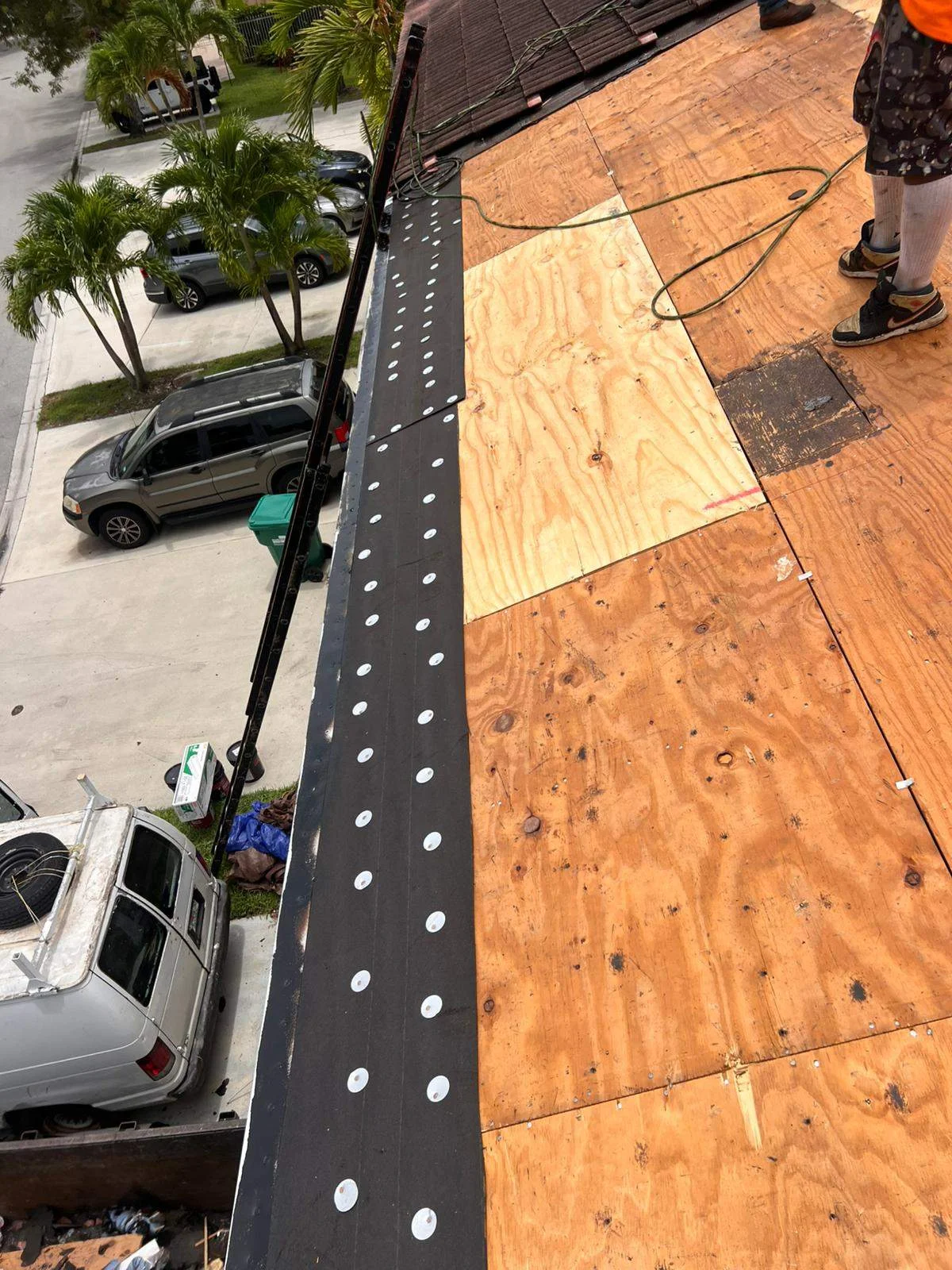
It starts with a real look at your roof
We use drone-assisted roof inspections and produce insurance-ready reports. That means you see what we see: cracked tiles, lifted shingles, tired flashing, ponding areas. If repair makes more sense than replacement, we'll tell you. Plenty of roofs just need targeted work. Our roof inspection and maintenance services are a sensible first step if you're unsure where your roof stands.
Hurricane-rated systems for full replacements
When a roof does need replacing, we install hurricane-rated tile, metal and shingle systems for residential and commercial properties across Fort Lauderdale. We're licensed and insured, we handle permits and inspections, and we walk you through material choices so the system fits your home and your HOA. Financing is available, and estimates are free. You can learn more about our residential and commercial roof replacement work.
Help when it can't wait
Storms don't keep business hours. We offer 24/7 emergency roofing, including storm damage response and tarping, plus same-day service for many roof repairs. Leaks, missing shingles and broken tile all get attention fast. Call (954) 758-4419 anytime.
Frequently asked questions
How do I check if a roofer is licensed in Florida?
Use the Florida DBPR online license search. Confirm the license is active and that the name matches the company quoting your job.
Do I need a permit to replace my roof in Broward County?
A full roof replacement generally requires a permit. Exact requirements vary by municipality, so confirm with your local building department or your licensed contractor.
What does HVHZ mean for my roof?
It means stricter standards for materials, attachment and underlayment. Products typically need approvals for HVHZ use and must be installed according to them.
Is tile or metal better for Fort Lauderdale?
Both perform well when properly approved and installed. The best fit depends on your home's structure, style, budget and HOA rules.
Should I repair or replace my roof?
It depends on age, deck condition and how widespread the damage is. A thorough inspection is the honest way to decide.
How long does a roof replacement take?
Timing depends on roof size, material, permit processing and weather. Your contractor should give you a realistic schedule before work starts.