
Costs
Roof Inspection Fort Lauderdale: Coastal & Insurance Guide
What a roof inspection in Fort Lauderdale should check, from salt air to insurance reports. See how drone-assisted inspections work. Get a free estimate.
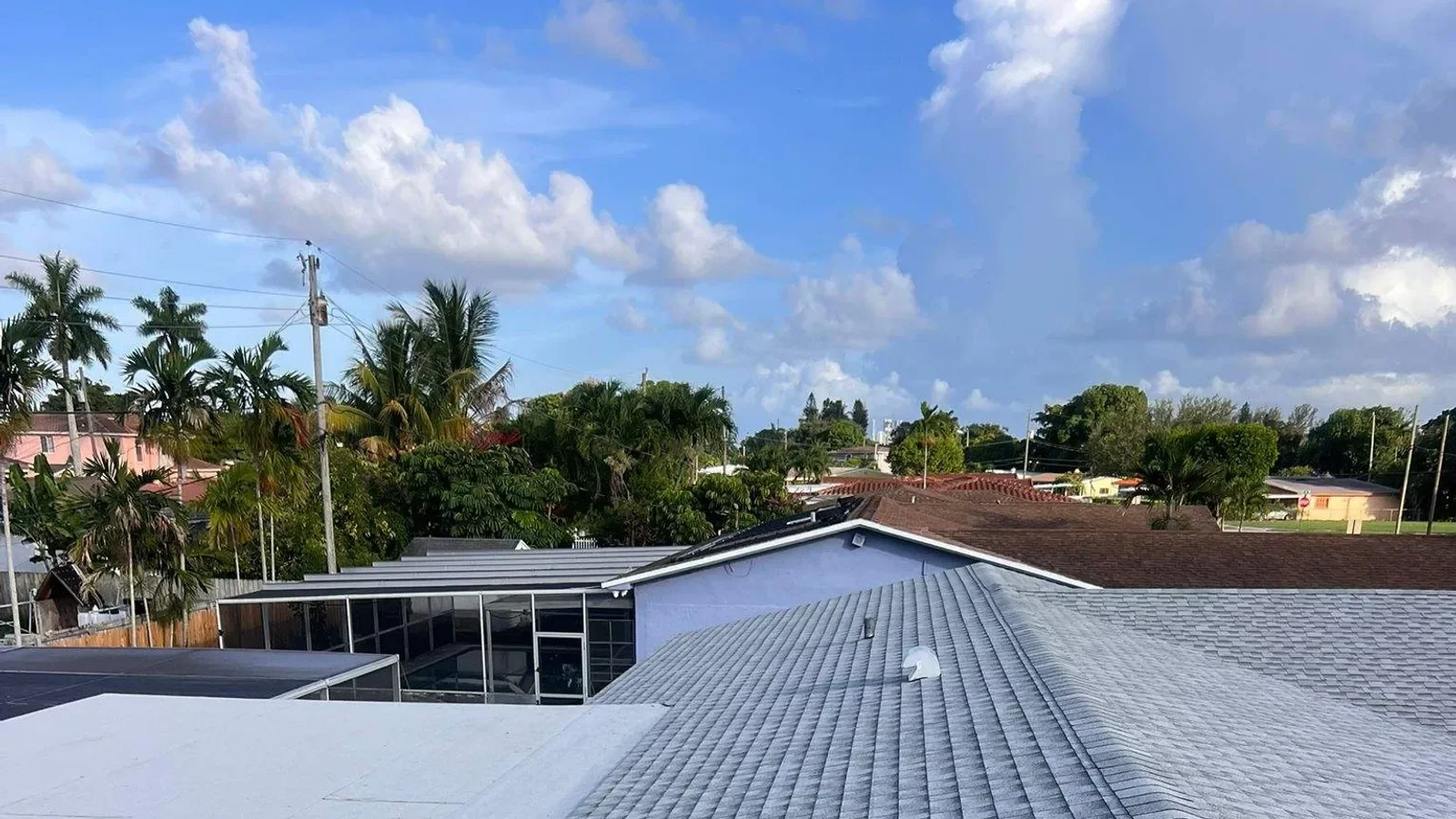
A roof in Fort Lauderdale works harder than most. It takes salt air, afternoon downpours, relentless UV, and the occasional tropical storm, often in the same season. A proper roof inspection in Fort Lauderdale has to account for all of it. It also has to produce a report an insurer will actually read. Here's what a thorough coastal inspection covers, how drone-assisted inspections help, and what drives the cost.
Why a coastal roof needs a different kind of inspection
Picture two identical tile roofs. One sits in a dry inland city. The other sits a couple of miles from the Atlantic in Broward County. After ten years they won't look the same, even if nobody ever touched either one.
Coastal conditions wear roofs down in specific, predictable ways. A good inspector knows where to look.
Salt air and fastener corrosion
Salt-laden moisture settles on metal components and speeds up corrosion. Flashing, drip edge, exposed fasteners, vent boots, and metal roof panels are the usual suspects. Rust around a fastener can loosen its grip over time. On a metal roof, corrosion often starts at cut edges and laps before it shows anywhere else. An inspector should look closely at these spots instead of judging the roof from a distance.
Sun, heat, and moisture cycles
South Florida sun bakes shingles and underlayment. Then a summer storm cools the surface fast. That repeated expansion and contraction stresses sealant, cracks mortar on tile ridges, and dries out shingle granules. Inspectors check for granule loss in gutters, brittle or curling shingles, and cracked or slipped tiles. Humidity also matters. Trapped moisture under tile or in the attic can lead to rot in the decking long before a leak appears on a ceiling.
Wind exposure
Wind uplift is the big one here. Edges, ridges, and corners take the most force during a storm. An inspector checks for loose or lifted shingles, tiles that have shifted, and ridge caps that no longer sit tight. These small issues tend to become big ones the next time a strong system moves through.
What a thorough roof inspection actually covers
Some people expect a quick walk-around and a thumbs up. That's not an inspection. A useful inspection follows the water: where it lands, where it runs, and where it could get in.
The exterior checklist
Here's what we look at on the outside of the roof, in roughly the order we work through it:
- Roof covering: cracked, broken, or slipped tiles; missing, curling, or blistered shingles; loose or corroded metal panels.
- Flashing: around chimneys, walls, skylights, and valleys, checking for gaps, rust, and failed sealant.
- Penetrations: plumbing vent boots, exhaust vents, and HVAC stands, which are common leak points.
- Ridges and hips: mortar or fastened ridge caps, looking for cracks, gaps, and lifted pieces.
- Valleys: debris buildup and worn underlayment where water concentrates.
- Edges and drip edge: wind damage, rot at the fascia, and corrosion.
- Gutters and downspouts: clogs, sagging, separated seams, and granule buildup.
- Soft spots: signs of compromised decking underneath.
Inside the attic
The attic tells the other half of the story. Water stains on the decking, damp insulation, daylight peeking through, and mold-like discoloration all point to problems that aren't visible from above. Ventilation matters too. Poor airflow traps heat and moisture, which shortens the life of the roof. If you can safely see your attic, glance at it after a heavy rain. Fresh stains are worth a call.
What you should get afterward
An inspection is only as good as its documentation. You should receive photos, a clear description of each issue, and a sense of what's urgent versus what can wait. Vague notes like "roof in fair condition" don't help you plan, and they won't help with an insurer either.
Drone roof inspections in Fort Lauderdale: where they help
Here's a claim that surprises people: sometimes the safest way to inspect a roof is to stay off it. Walking on concrete or clay tile can crack pieces that were perfectly fine. Steep slopes and wet surfaces add risk for anyone up there.
That's why PSR Roofing Company of Fort Lauderdale uses drone-assisted inspections.
What a drone sees well
A drone captures high-resolution images of the full roof surface, including steep sections and areas that are hard to reach. It's especially good for spotting slipped or broken tiles across a large field, damaged ridge lines, debris in valleys, and wind-lifted edges. The images also create a visual record. That matters when you need to show what the roof looked like on a specific date.
Where hands-on still matters
A drone doesn't replace a trained inspector. It assists one. Some things still need a close look or a physical check, like the condition of flashing seals, soft decking, or what's happening in the attic. Our approach combines aerial imagery with the hands-on checks that make sense for your roof type. Drone first, then targeted up-close work where it's needed.
Why it suits tile roofs
Tile is common across Fort Lauderdale neighborhoods, and it's durable. It's also breakable underfoot. Reducing foot traffic on tile lowers the chance of causing new damage during the inspection itself. That's a practical win.
Insurance roof inspections and reports in Fort Lauderdale
Many homeowners first think about an inspection because of insurance. Maybe a carrier asked about the roof's condition. Maybe you're switching policies, buying a home, or filing a claim after a storm. In each case, documentation does the heavy lifting.
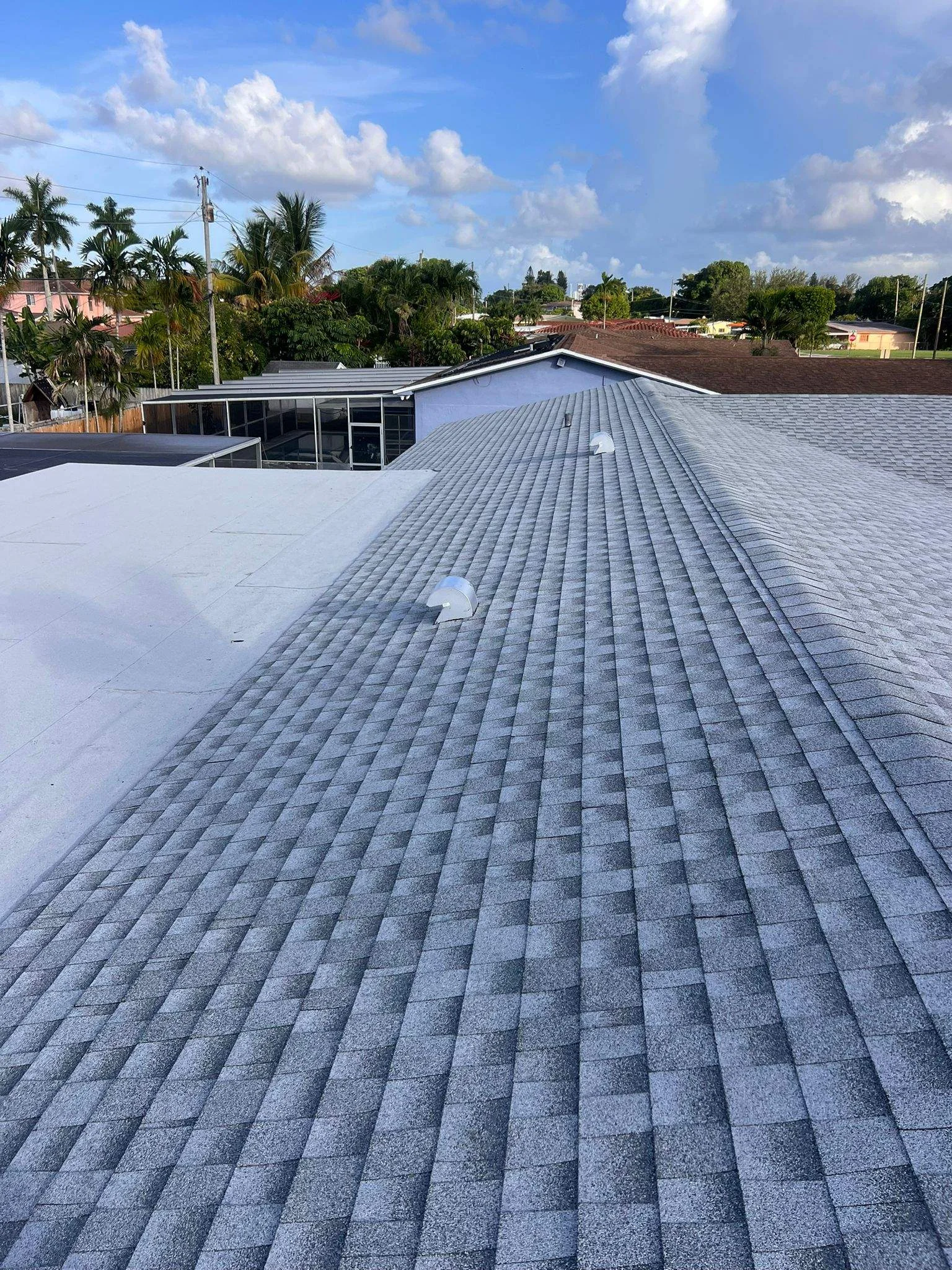
What an insurance-ready report usually includes
Requirements vary by insurer and policy, so always ask your carrier or agent exactly what they need. In general, a useful insurance-ready report includes:
- The roof covering type (tile, shingle, metal) and overall condition
- Dated photos of each slope and any problem areas
- Notes on visible damage, wear, and any leaks
- Condition of flashing, penetrations, and edges
- Recommended repairs, with priorities
Our roof inspection service in Fort Lauderdale includes insurance-ready reports built around clear photos and plain descriptions. We document what we find. The insurance decision is always the carrier's call.
After a storm
Timing matters after severe weather. Getting damage documented soon after a storm creates a clear record of the roof's condition at that point. If there's active leaking, temporary protection like tarping may be needed first. PSR offers 24/7 emergency roofing and storm tarping for exactly that situation, then a full inspection once it's safe.
Buying or selling a home
A roof report helps both sides. Buyers learn what they're inheriting. Sellers can address issues before they come up during negotiations. Either way, an honest picture of the roof beats a surprise at closing.
What affects the cost of a roof inspection
We won't quote a number in a blog post, because no two roofs are the same. What we can do is explain what drives the cost so you can compare quotes fairly.
The main cost factors
| Factor | Why it affects cost |
|---|---|
| Roof size | Larger roofs take more time to photograph, inspect, and document. |
| Roof type | Tile, shingle, and metal each have different weak points and inspection methods. |
| Pitch and height | Steep or multi-story roofs need more care and equipment to access safely. |
| Number of penetrations | More vents, skylights, and HVAC stands mean more detailed checks. |
| Attic access | Easy access speeds things up. Tight or blocked attics take longer. |
| Report detail | Insurance or real estate documentation requires more thorough photo records. |
| Residential vs. commercial | Commercial roofs are often larger and have more equipment on top. |
How to compare quotes
Ask what's included. Does the inspection cover the attic? Will you get photos? Is the report written for insurance use? Two quotes can look different simply because one includes far more. Compare the deliverable, not just the price line.
Free estimates help
PSR Roofing offers free estimates. If the inspection turns up work, you'll know what it involves before committing to anything. Financing is also available on larger projects like replacement.
Roof maintenance between inspections
An inspection gives you a snapshot. Maintenance keeps that snapshot from getting worse. Most of the real damage we see started small and simply went unnoticed.
How often to schedule an inspection
A yearly inspection is a sensible baseline for most Fort Lauderdale homes. Before hurricane season is a smart time, so small issues get fixed while the weather is calmer. Also schedule one after any major storm, and before buying or selling a home. Older roofs may warrant closer attention.
Safe things homeowners can do
You don't need to climb a ladder to help your roof. From the ground, look for missing shingles, slipped tiles, or sagging gutters. Keep tree branches trimmed back from the roofline by a tree professional. Check ceilings and the attic for stains after heavy rain. Watch for granules collecting at downspouts. Leave anything on the roof itself to a professional. Roof work is dangerous, especially on wet tile.
Gutters matter more than people think
Clogged or undersized gutters send water back toward fascia and roof edges. In a place with heavy summer rain, that adds up fast. If your gutters sag, leak at the seams, or overflow, PSR also handles seamless aluminum and copper gutter installation and repair.
The short version: when to call
Some signs shouldn't wait for your annual check. Call for an inspection if you notice any of these.
Warning signs inside
Water stains on ceilings or walls. Peeling paint near the roofline. A musty smell in the attic. Damp insulation. Any of these suggests water is getting in somewhere.
Warning signs outside
Broken or slipped tiles. Missing or curling shingles. Rust on flashing or metal panels. Debris piled in valleys. Gutters pulling away from the house. Lots of granules at the downspouts.
What happens next
PSR Roofing Company of Fort Lauderdale will inspect the roof, document what we find, and walk you through the options. Sometimes it's a minor repair. Sometimes a roof is near the end of its life and replacement makes more sense. We'll explain the difference plainly. That's the whole point of an inspection.
Frequently asked questions
How long does a roof inspection take?
It depends on roof size, type, and attic access. Most residential inspections are completed in a single visit. Report preparation follows afterward.
Is a drone inspection as good as a walk-on inspection?
It's a strong tool, not a full replacement. We pair drone imagery with targeted hands-on checks, which also limits foot traffic on breakable tile.
Will my insurance accept your inspection report?
Acceptance is up to your insurer. We provide insurance-ready reports with photos and clear findings. Ask your carrier what format they need.
How often should I get my roof inspected in Fort Lauderdale?
Once a year is a good baseline, ideally before hurricane season. Add an inspection after major storms or before a home sale.
Do you inspect commercial roofs?
Yes. PSR works on both residential and commercial roofs, including replacements with hurricane-rated materials.
What if the inspection finds a problem?
We'll explain what we found, show you photos, and give you a free estimate for any repair or replacement work.